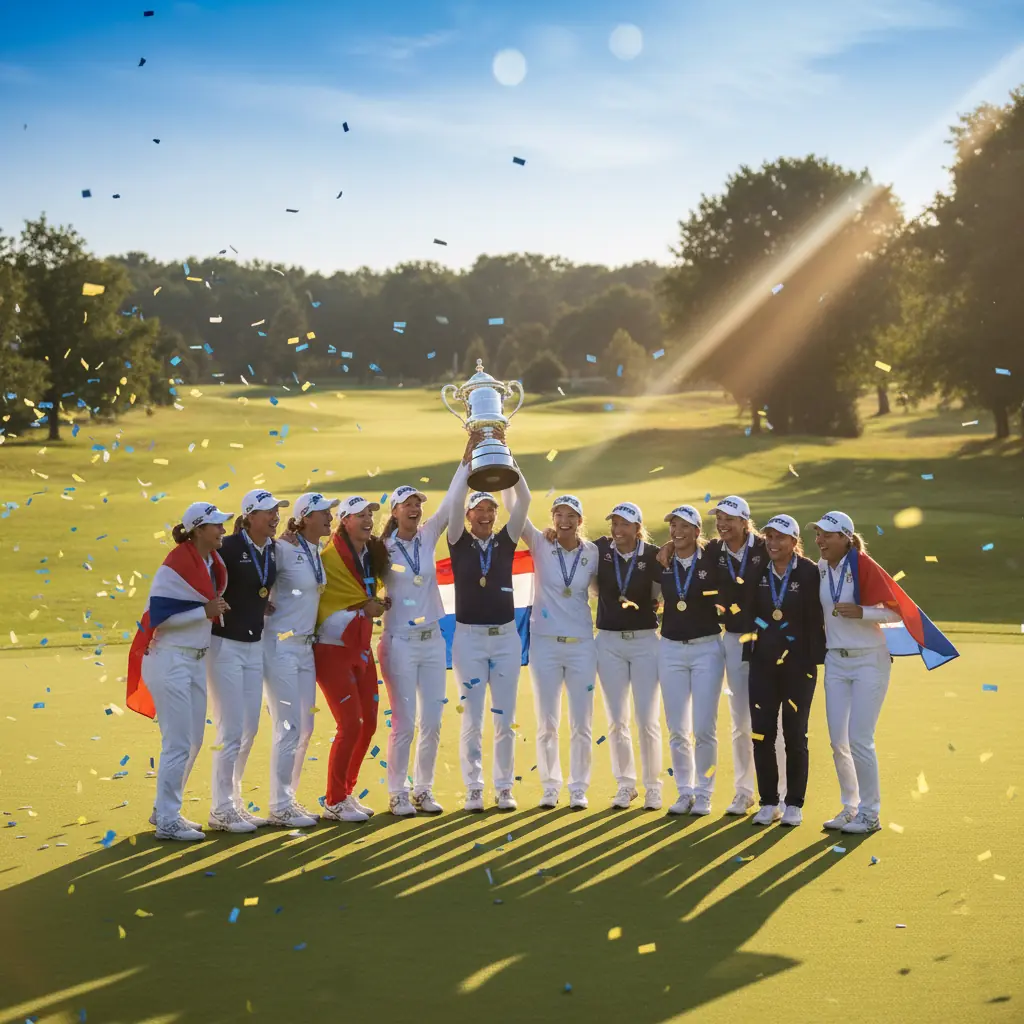
The Solheim Cup: a battleground where golfing titans clash, national pride swells, and legends are forged. Among the fierce competitors, Team Europe consistently emerges as a force to be reckoned with. More than just a collection of talented players, Team Europe embodies a strategic approach to the game, fine-tuned over years of competitive play. Their cunning tactics, data-driven insights, and unwavering team spirit have allowed them disrupt the competition, time and time again.
Team Europe’s history within the Solheim Cup is rich with triumph and resilience. From nail-biting finishes to dominant displays, they’ve proven their mettle against the best in the world. But what truly sets them apart? What are the secrets behind their success? This analysis dives deep into the heart of Team Europe’s Solheim Cup strategy, uncovering the key elements that give them a decisive advantage. Whether you’re a seasoned golf aficionado or a newcomer to the sport, understanding their methods provides a fascinating glimpse into the world of elite-level competition.
Understanding the Solheim Cup Landscape
The Solheim Cup stands as the pinnacle of women’s professional golf, a biennial tournament that ignites a fierce rivalry between Team Europe and Team USA. Modeled after the Ryder Cup, this competition showcases the immense talent and passion within the sport, captivating audiences worldwide.
The Solheim Cup operates under a match-play format, where individual matches and team pairings determine the overall victor. The competition unfolds over three days, featuring a combination of foursomes (alternate shot), four-ball (best ball), and singles matches. Each match is worth one point, and the first team to reach 14.5 points claims the coveted trophy.
Throughout its history, the Solheim Cup has produced countless memorable moments and dramatic clashes. Remarkable comebacks, clutch putts, and displays of unwavering determination have become synonymous with the event. These unforgettable matches have not only shaped the tournament’s legacy but have also contributed significantly to the growth and visibility of women’s golf on a global scale.
While Team USA dominated the early years, Team Europe has emerged as a formidable force in recent times with a few historical wins, adding another layer to this intense and evolving rivalry.
Strategic Team Composition: A Deep Dive
Team Europe’s Solheim Cup team selection is a meticulously crafted process that blends objective qualification with strategic captain’s picks. The goal? To assemble a team that not only boasts individual brilliance but also functions as a cohesive unit, capable of withstanding the intense pressures of the competition.
Qualification for Team Europe primarily hinges on performance. Players earn their spots through a combination of the Solheim Cup points list and the Rolex Women’s World Golf Rankings. The Solheim Cup points list rewards consistent performance throughout the Ladies European Tour season, while the Rolex Rankings offer a broader, more globally recognized measure of golfing prowess. This dual system ensures that players who have consistently performed well are given priority, reflecting their current form and overall skill level.
Beyond the numbers, however, lies a crucial element: team chemistry. The captain’s picks are instrumental in shaping this aspect of the team. The captain has the discretion to select players who may not have qualified automatically but possess qualities deemed essential for success. This might include seasoned veterans with invaluable experience, players known for their exceptional match-play skills, or individuals who simply bring a positive and unifying presence to the team dynamic.
The selection process extends beyond the Solheim Cup itself. The European Qualification for the PING Junior Solheim Cup mirrors the senior team’s selection, fostering young talent and instilling the values of teamwork and competition early on. Ultimately, Team Europe’s strategic team composition is a delicate balance of objective metrics, subjective assessments, and a keen understanding of what it takes to thrive under pressure. The aim is to create a team where skills complement, experience guides, and chemistry elevates performance to achieve victory.
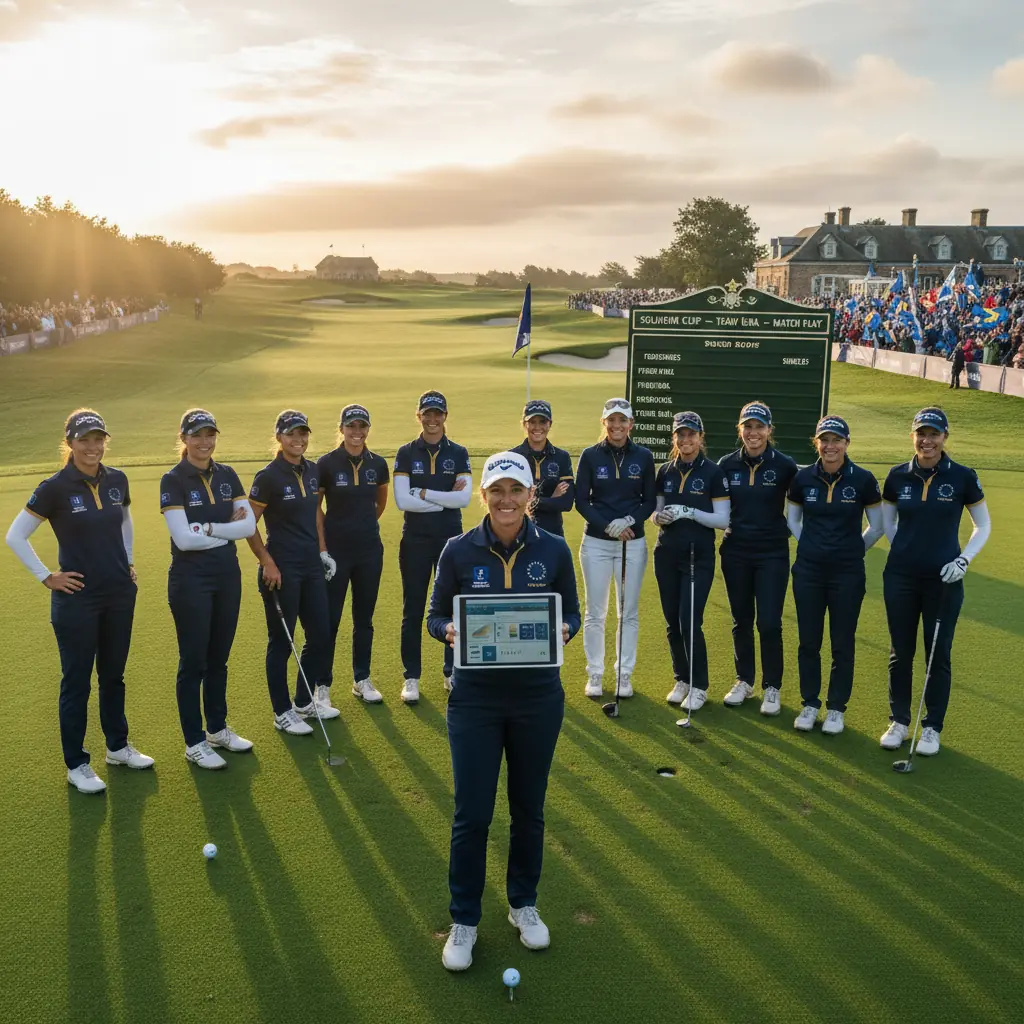
The Captain’s Influence: Leadership and Strategy
The Solheim Cup captain is more than just a figurehead; they are the architect of the team’s spirit, strategist, and vital source of motivation. Captaincy demands a unique blend of experience, tactical acumen, and interpersonal skills. A successful captain sets the tone for the entire team, fostering an environment of unwavering support and mutual respect.
Great captains understand that individual talent alone isn’t enough to win. They prioritize building team cohesion, often organizing team-building activities and encouraging open communication. This creates a bond between players, transforming a group of individuals into a unified force, all striving for the same goal. Consider the impact of past captains in the Solheim Cup, such as Anna Nordqvist, Caroline Hedwall, Mel Reid or Anne Van Dam; their leadership wasn’t just about giving instructions but about instilling belief.
Beyond motivation, the captain’s strategic input is crucial. They meticulously analyze player strengths and weaknesses, crafting pairings that maximize potential on the course. This involves studying opponent tendencies, considering course conditions, and making tough calls under pressure. The captain’s strategic decisions, from selecting pairings to advising on in-match tactics, can directly influence the outcome of each match and, ultimately, the entire competition. Their guidance provides players with the confidence to execute their game plan, knowing they have the full support and strategic insight of their leader which is very important to succeed.
Tactical Advantages: On-Course Strategies and Adaptability
Team Europe’s Solheim Cup success isn’t solely built on raw talent; a significant portion stems from meticulously crafted on-course tactics and an unwavering ability to adapt. Their strategy extends far beyond simply hitting the ball well; it’s an intricate dance of course management, shrewd match play decisions, and real-time adjustments to the ever-shifting landscape of the competition.
Course management is one of Team Europe’s biggest advantages. They don’t just play the course; they dissect it. Every hole is scrutinized, potential hazards are noted, and optimal approach angles are calculated. This detailed preparation allows players to make informed decisions, minimizing risks and maximizing opportunities to get Solheim Cup Points. This proactive approach, often unseen by the casual observer, is a cornerstone of their tactical framework.
Match play strategy introduces another layer of complexity. Unlike stroke play, where every shot contributes to an individual score, match play involves head-to-head battles where momentum and psychological warfare can be as important as technical skill. Team Europe understands this dynamic intimately. They are adept at identifying opponents’ weaknesses and exploiting them, employing aggressive tactics when necessary and playing conservatively to maintain an advantage. The pairings are also strategically chosen to maximize chemistry and complement playing styles, which can be decisive.
Adaptability is perhaps the most crucial element of Team Europe’s tactical arsenal. The Solheim Cup features a variety of playing formats – foursomes, four-ball, and singles – each demanding a different approach. Foursomes require seamless teamwork and communication, while four-ball emphasizes individual brilliance and risk-taking. Singles matches are intense, pressure-filled encounters where mental fortitude is tested. Team Europe’s ability to switch gears between these formats, adjusting their strategy and playing style accordingly, sets them apart. They don’t rigidly adhere to a single game plan; instead, they are fluid and responsive, constantly evaluating the situation and making adjustments as needed. The weather, course conditions and even the mood of the crowd, all are taken into account.
To exemplify, consider the 2021 Solheim Cup. Team Europe faced a tough American side. However, by aggressively targeting specific holes in four-ball matches and strategically playing for halves in crucial foursomes, they managed to gain a critical lead. This tactical flexibility, combined with exceptional execution, ultimately contributed to their victory. Their approach serves as a testament to the power of strategic thinking and adaptability in the high-stakes environment of the Solheim Cup.
Home Advantage: Leveraging the Dutch Course
Team Europe holds a significant edge as they compete in the Netherlands, a strategic advantage they can convert into a formidable force. This home advantage manifests in several ways, each contributing to a more favorable environment for the team.
First and foremost is course knowledge. Familiarity with Bernardus Golf offers a distinct benefit. The players will understand the nuances of each hole, the subtle breaks on the greens, and how the course changes under different weather conditions. This intimate understanding allows for more confident decision-making and precise execution, ultimately translating to lower scores.
The power of fan support cannot be underestimated. Playing in front of a home crowd generates an electrifying atmosphere, fueling the players with extra motivation and resilience. The cheers and encouragement from the Dutch fans can lift spirits during challenging moments and create a sense of unity within the team. This fervent support acts as a psychological boost, potentially unnerving the opposing team.
Strategically, Team Europe can work with course officials to tailor the setup of Bernardus Golf to their strengths. Course can be adjusted to favor their playing styles. Pin placements can be positioned to reward aggressive play, or the rough can be grown thicker to penalize wayward shots. These subtle adjustments can significantly impact the overall dynamic of the competition.
For those attending the event, transport and parking will be well-organized in order to ensure an easy arrival and minimise any delays.
Finally, Team Europe can showcase its commitment to sustainability by adopting eco-friendly practices during the event. This could involve using reusable water bottles, minimizing waste, and promoting public transportation.
The Psychology of Success: Team Cohesion and Mental Fortitude
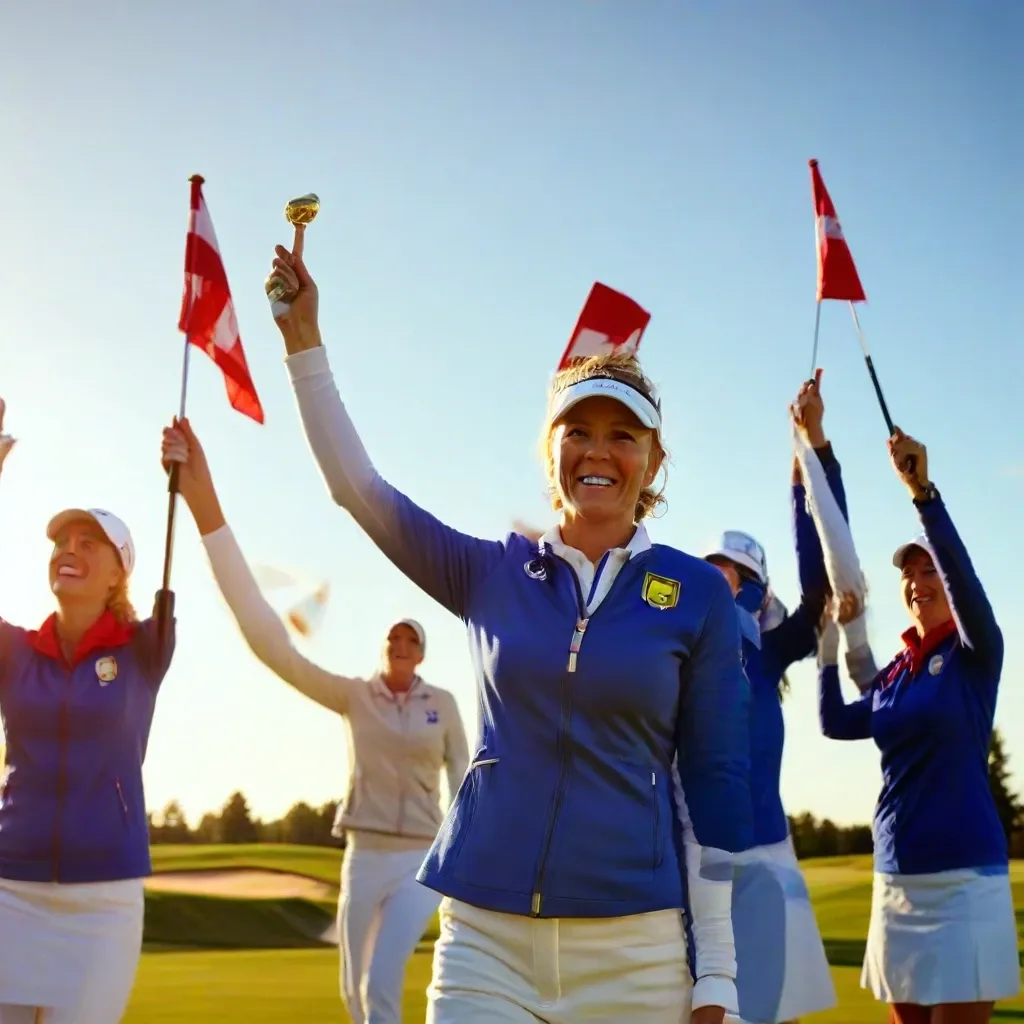
The Solheim Cup isn’t just about perfectly executed swings and strategic course management; it’s a crucible where mental fortitude and unshakeable team cohesion are forged into victory or shattered by defeat. The psychological dimension plays a pivotal role, especially for Team Europe, where a united front and unwavering belief often transcend individual brilliance.
Team cohesion acts as a bedrock of their success. Solid relationships built on mutual support and trust are crucial. Players aren’t just teammates but a support network for each other, capable of weathering storms of self-doubt together. The pressure in such a high-stakes environment can be immense, and the ability to lean on each other, to share the burden of expectation, is what separates the good teams from the great.
Resilience is written in the stories of many Solheim Cups. Recollections of Team Europe players who came back from seemingly insurmountable deficits inspire renewed self-belief and steely determination. This is not just about individual grit. The team dynamic becomes the propeller to get back on track and perform at the highest level.
The team recognizes that preparation extends beyond the physical. Mental training and strategies for managing pressure are integral parts of their preparation. The ‘Year to Go’ celebrations, for example, are not just promotional events; they are opportunities to reinforce bonds, visualize success, and cultivate the positive mindset necessary to conquer the challenges ahead.
Looking Ahead: The Future of Team Europe’s Edge
To ensure continued success in the Solheim Cup, Team Europe must proactively focus on several key areas. Investing in player development programs is paramount. Cultivating young talent and providing them with the resources and mentorship needed to excel will guarantee a pipeline of skilled players for future competitions.
Strategic innovation is also crucial. Exploring new technologies in golf analytics and training methods can give Team Europe an edge. Additionally, adapting to the evolving landscape of women’s golf is essential. This involves closely monitoring the competition and adjusting strategies accordingly. By embracing innovation and adapting to the changing dynamics of the sport, Team Europe can solidify its position as a dominant force in the Solheim Cup for years to come.
Conclusion
In summary, Team Europe’s Solheim Cup success stems from a blend of strategic selection, embracing diverse playing styles, and fostering a supportive team environment. These elements, combined with meticulous preparation and adaptability, create a formidable competitive edge. As Team Europe continues to evolve, their journey will no doubt offer valuable lessons in teamwork and strategy.
Stay tuned to witness their future endeavors and see how their unique approach shapes the landscape of women’s golf. This is just the beginning, and you won’t want to miss what’s next. Follow Team Europe’s progress as they continue to redefine the Solheim Cup, and, for more insights on peak performance strategies, keep an eye on our updates.